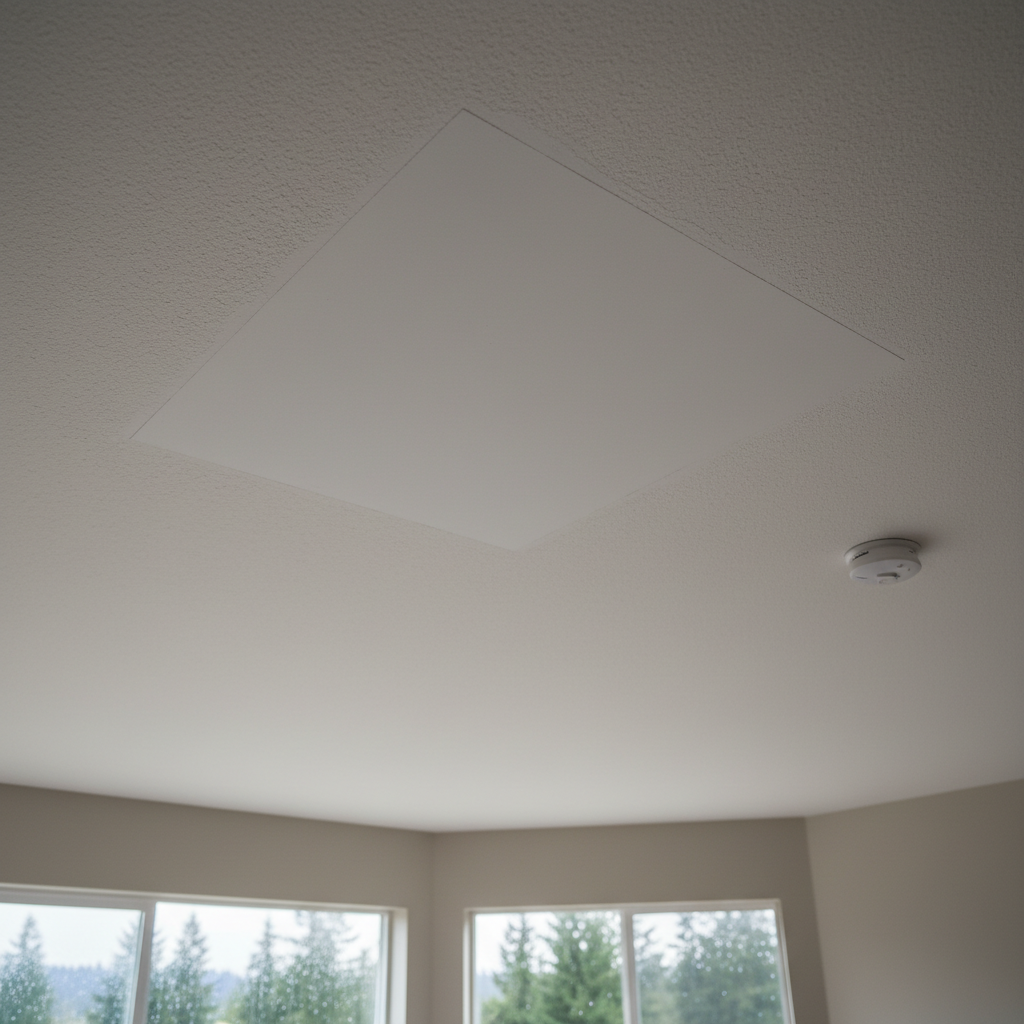
Living around Everett, WA means dealing with relentless autumn rains and heavy moisture for months on end. If you spot a brownish ring on your drywall or feel a damp patch in your attic, you are probably wondering what is actually happening behind the scenes. Redwood Coast Restoration Inc gets a lot of questions from local homeowners trying to figure out how bad the damage is and what the fix looks like. Here is how Redwood Coast Restoration Inc breaks down the most common roof leak and water damage questions for homes in Everett.
Why is my ceiling leaking in a completely different spot than the roof damage?
Water loves taking the path of least resistance. Water rarely drops straight down vertically once water gets past your shingles or underlayment. Instead, water hits your roof deck, runs along a rafter or the top of a ceiling joist, and finally drips down wherever gravity dictates. Redwood Coast Restoration Inc has gone into attics in older Everett neighborhoods where the actual roof breach was ten feet away from the interior stain. Tracing that path is half the battle when fixing both the leak and the resulting water damage.
How fast does mold start growing after a roof leak in Western Washington?
Our damp Pacific Northwest climate means mold does not waste any time. Given the ambient humidity we deal with in Everett, WA, mold spores can start germinating within 24 to 48 hours of a hidden leak soaking your insulation or drywall. If you wait a week to investigate that ceiling stain, you are likely looking at a remediation job alongside standard framing and drywall repairs. Drying things out immediately with commercial air movers is very important.
Can I just patch the roof and let the interior dry out on its own?
You can try, but you are rolling the dice on structural rot and hidden mold. Trapped moisture inside a wall cavity or roof assembly will not evaporate quickly if the ventilation is blocked. When Redwood Coast Restoration Inc handles water damage restoration, we always open up saturated drywall or remove soggy fiberglass insulation to expose the studs and decking. Letting trapped water sit breeds wood rot, which compromises the framing of your home faster than you might think.
What are the main causes of roof leaks around here?
- Wind-driven rain forcing water up under compromised shingle laps or old architectural tabs.
- Clogged valleys and gutters overflowing onto vulnerable flashing points.
- Decayed pipe boots and cracked roof vent flashings cracked by years of thermal shock.
- Moss accumulation lifting edges of composition shingles during our freezing winter nights in Everett.
Will my homeowners insurance cover roof leak water damage?
Insurance coverage depends entirely on the root cause. If a massive windstorm rips a section of your roof off and water pours in, that is usually covered as a sudden storm event. If the leak comes from a 25-year-old three-tab roof that has simply worn out and rotted away due to deferred maintenance, insurance companies will typically deny the claim and view it as normal wear and tear. Always check your policy specifics before filing a claim for water damage restoration.
How do I know if the structural framing is compromised?
Porous wood tells a clear story once wood stays wet too long. If you press a screwdriver into a roof rafter or ceiling joist and wood feels spongy or soft, you have got structural rot that needs reinforcement or replacement. Surface discoloration is one thing, but structural degradation means the load-bearing capacity of that wood has been degraded by fungi.
How long does the actual repair process take?
A straightforward leak fix on an asphalt shingle roof takes a few hours, but interior water damage restoration varies. Drying out a wet wall cavity takes roughly three to five days with industrial dehumidifiers running. Once everything tests dry, patching the drywall, texturing, and painting usually takes another couple of days. Redwood Coast Restoration Inc always makes sure the moisture meter reads safely before closing anything back up.